Why Calm Matters Around Livestock
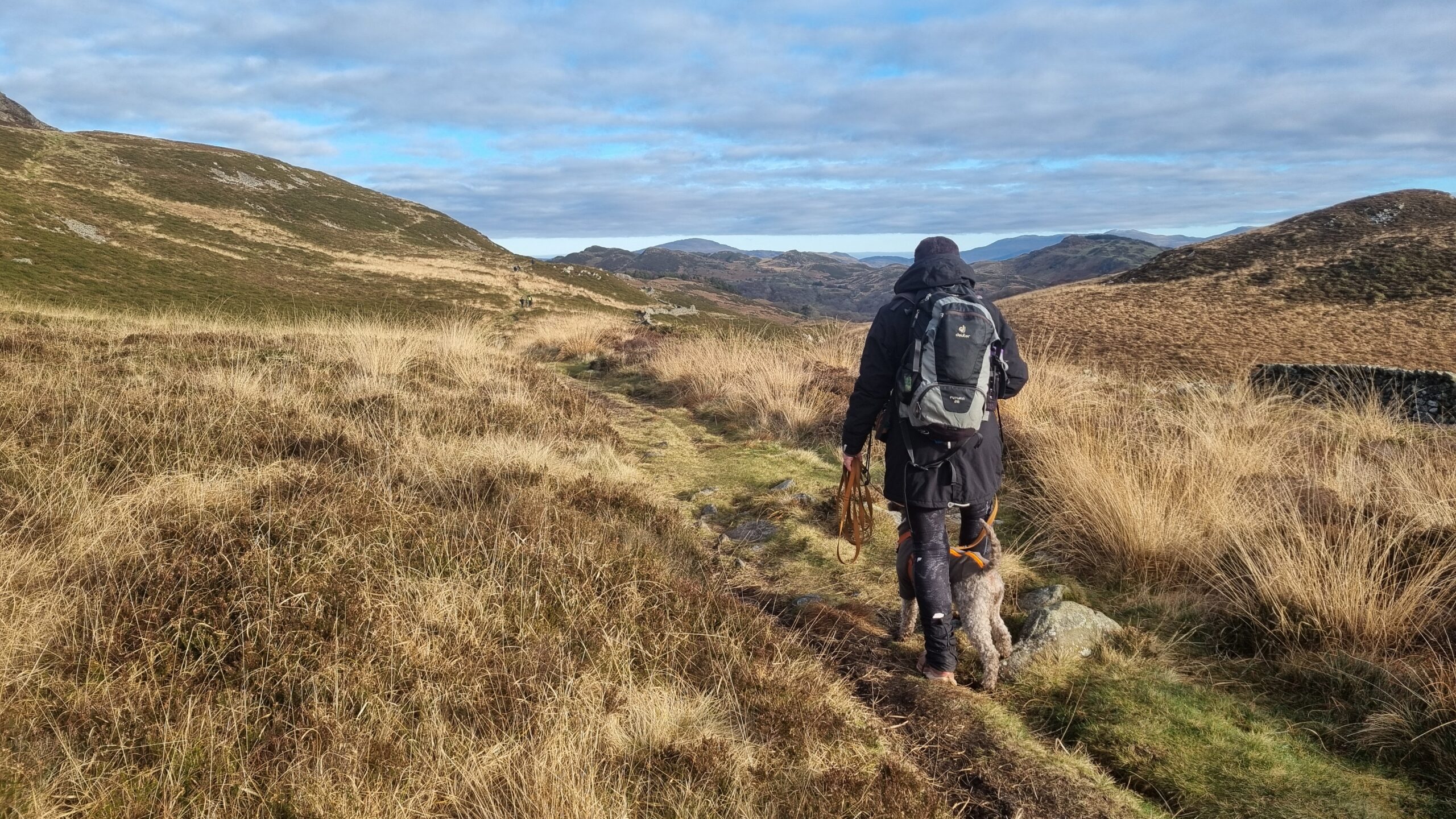 Out and About With Your Dog
If you love being outdoors with your dog, woodland walks, open fields, beaches, pub stops, country paths, you’ve probably felt it already.
The world we’re walking our dogs through has changed.
There are more people outside.
More dogs sharing space.
More livestock visible on public footpaths.
More responsibility placed on dog guardians to keep everyone safe.
Recently, there’s been renewed attention around UK livestock worrying legislation, with clearer enforcement and consequences when dogs cause distress or injury to farm animals. While this can feel confronting, it also reflects a deeper truth:
Dogs are being asked to live in a very human world and they need skills, not just rules, to cope with it.
This blog isn’t about fear, control, or limiting freedom.
It’s about how calm, regulation and emotional stability make adventures possible.
Life With Dogs in the Countryside We Actually Live In
I don’t teach calm because I want dogs to be quiet or obedient.
I teach calm because I want people to enjoy life with their dogs to keep saying yes to walks, weekends away, countryside holidays and everyday adventures without dread or constant tension.
For many dogs, especially those with strong instincts, movement sensitivity, or high arousal, being outdoors isn’t neutral.
It’s information-rich. It’s exciting. It’s triggering.
Wildlife moves.
Sheep scatter.
Other dogs run.
Suddenly the nervous system is doing exactly what it evolved to do.
This is where things often get misunderstood.
Livestock Laws and the Reality for Dog Guardians
UK legislation around livestock worrying has existed for a long time, but enforcement is becoming clearer and more visible. Dogs that chase, harass, or distress livestock even without physical contact, can place owners at risk of prosecution.
This isn’t about demonising dogs or owners.
It’s about recognising that instinct + arousal + modern access to shared land creates real challenges.
You can love freedom and acknowledge responsibility.
You can honour instinct and build regulation.
The answer isn’t tighter control.
It’s greater capacity.
Calm Isn’t Switching Dogs Off
One of the biggest myths in dog training is that calm means disinterest.
It doesn’t.
Calm means:
-
noticing without exploding
-
watching without falling apart
-
feeling big things without losing emotional control
A calm dog still sees the sheep.
Still notices the birds.
Still registers movement.
But their nervous system can stay online.
This is the difference between suppression and regulation and it’s the foundation of everything I teach.
Diggory, the Sheep, and a Moment That Changed Everything
I remember standing in a field with Diggory when sheep came into view.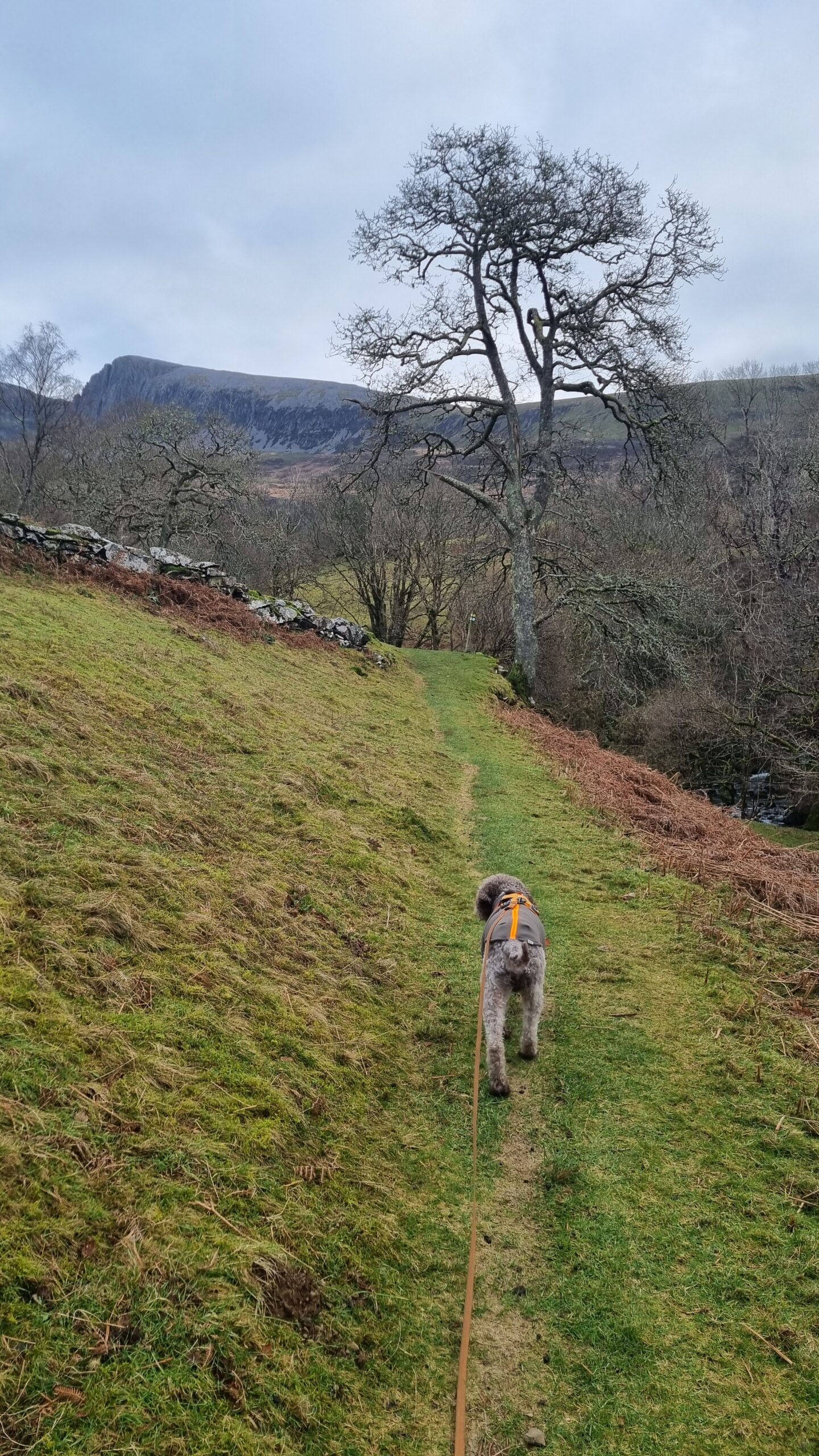
Head up.
Body still.
Eyes locked.
Every part of him said, this matters.
Instead of pulling him away…
Instead of rushing or panicking…
We stayed connected.
A pause.
A breath.
Gentle touch.
Connection before movement.
Then, we walked on. Together.
That moment wasn’t obedience.
It wasn’t control.
It was regulation in motion.
That skill has changed how we move through the world together.
Why This Skill Matters Beyond Livestock
The ability to watch without falling apart doesn’t just apply to sheep.
It shows up everywhere:
-
dogs running in the park
-
wildlife on walks
-
cafés and busy paths
-
other dogs receiving attention
-
moments where your dog wants something they can’t have
When dogs lack this skill, we often see:
-
pulling on the lead
-
vocalising
-
frustration
-
shutdown
-
or explosive behaviour
When dogs have this skill, life opens up.
Walks feel lighter.
Recovery is quicker.
Confidence grows, for both ends of the lead.
The UK Countryside Code encourages dog guardians to keep dogs under close control around livestock, particularly during lambing season, to protect animal welfare and ensure shared access to countryside spaces.
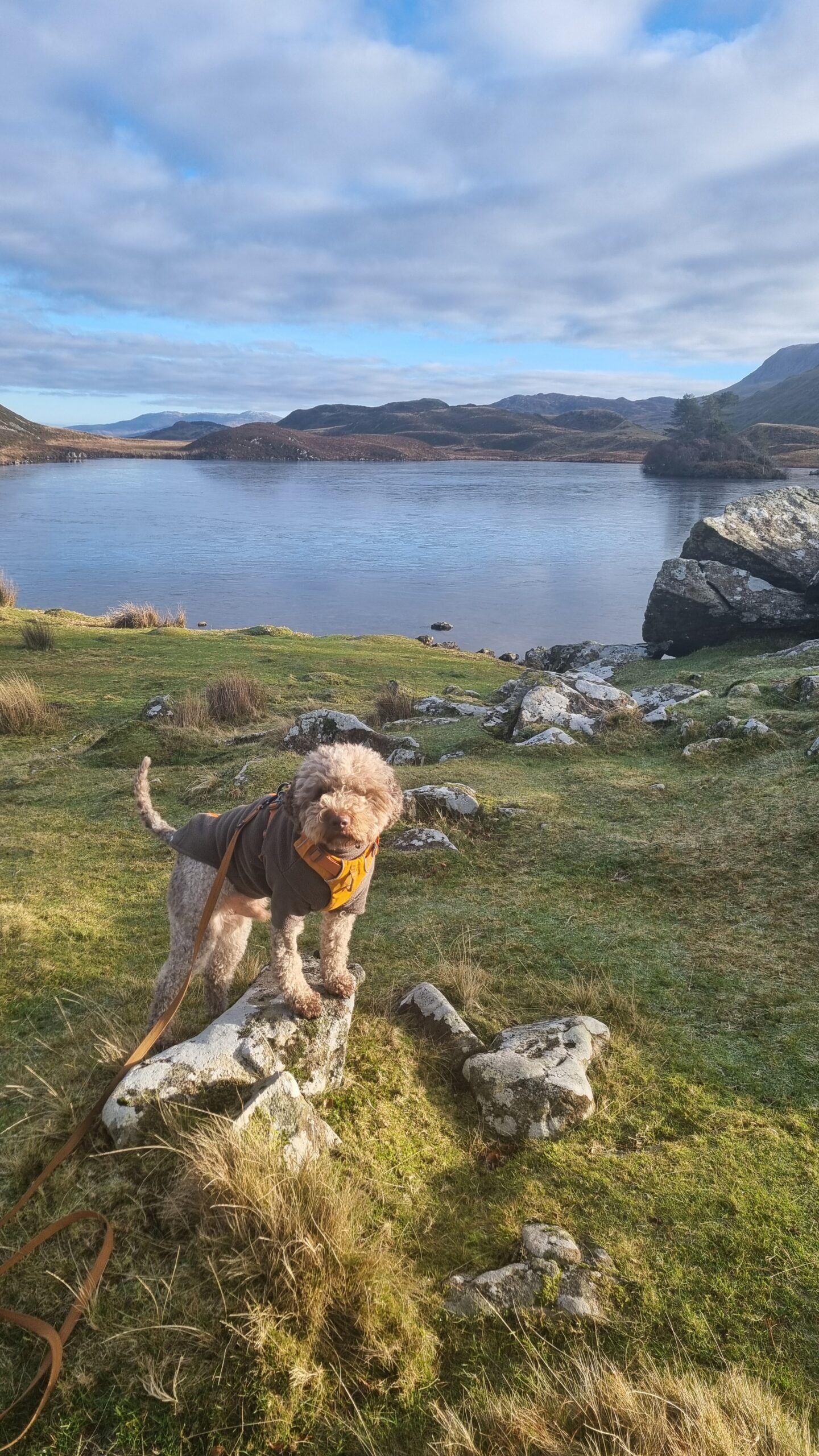
Calm Is What Keeps Your World Big
I’m deeply passionate about getting people out and about with their dogs.
Not hiding away.
Not shrinking their world.
Not avoiding everything that feels hard.
But to do that sustainably, dogs need support at the nervous-system level.
That’s why my work focuses on:
-
disengage and reorient
-
recovery after excitement
-
regulation while moving
-
tollerance in situations
-
predictability and rhythm
-
human co-regulation
These aren’t obedience skills.
They’re life skills.
They’re what allow dogs to live well in the society we’re asking them to navigate.
A Final Thought
This isn’t about being a “perfect” dog owner.
It’s about being an aware one.
The outdoors is still there to be enjoyed.
The adventures still matter.
Dogs still deserve rich, meaningful lives.
Calm doesn’t reduce freedom, it protects it.
If you’ve ever felt that moment where everything could tip, know this:
You’re not failing.
Your dog isn’t broken.
You’re simply being shown where support is needed. It’s information.
With the right skills, life with your dog can feel expansive again
 If This Resonates…
 If This Resonates…
If you’re reading this and quietly thinking,
“This feels like my dog… and me,”
you’re not alone.
If adventures feel heavy instead of shared,
if walks leave you tense,
or if your dog struggles to cope with the world moving around them,
it doesn’t mean you’re doing it wrong.
It usually means the nervous system needs support, at both ends of the lead.
I’ve created a gentle mini programme designed to help you slow things down, tune in and begin building calm in a way that actually lasts.
Inside the Calm Rhythm Reset, we focus on:
-
Understanding arousal and frustration through a nervous-system lens
-
Supporting recovery, not just exposure
-
Building awareness before behaviour
-
Helping you and your dog feel safer navigating real life together
There’s no pressure.
No fixing.
No expectation to “push through”.
Just an invitation to pause, notice and begin again, with more understanding and less overwhelm.
👉 Calm Rhythm Reset – Free Mini Programme
Because when calm comes first,
everything else has somewhere solid to grow from.